The Rwanda Neglected Tropical Diseases (NTD) Program, with support from the END Fund, is advancing Interruption of Transmission (IoT) activities through strong partnerships with the Rwanda Biomedical Centre (RBC), Rwanda NGOs Forum on HIV/AIDS and Health Promotion (RNGOF on HIV/AIDS & HP), and Heart and Sole Africa (HASA). This initiative represents a decisive shift from broad morbidity control via chemotherapy to a precision-based Interruption of Transmission (IoT) model in low-endemicity regions of Bugesera and Ruhango Districts of Rwanda.
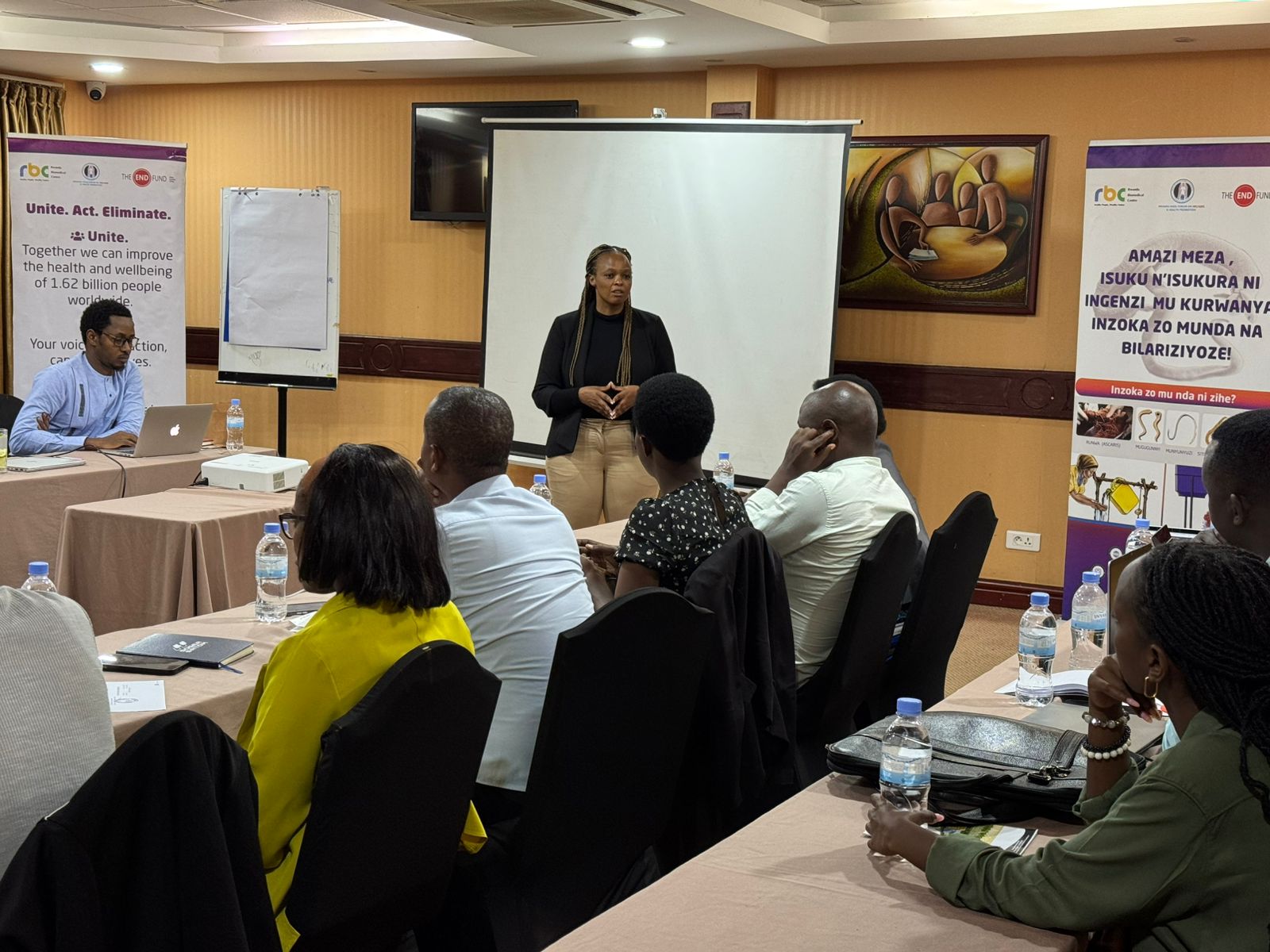
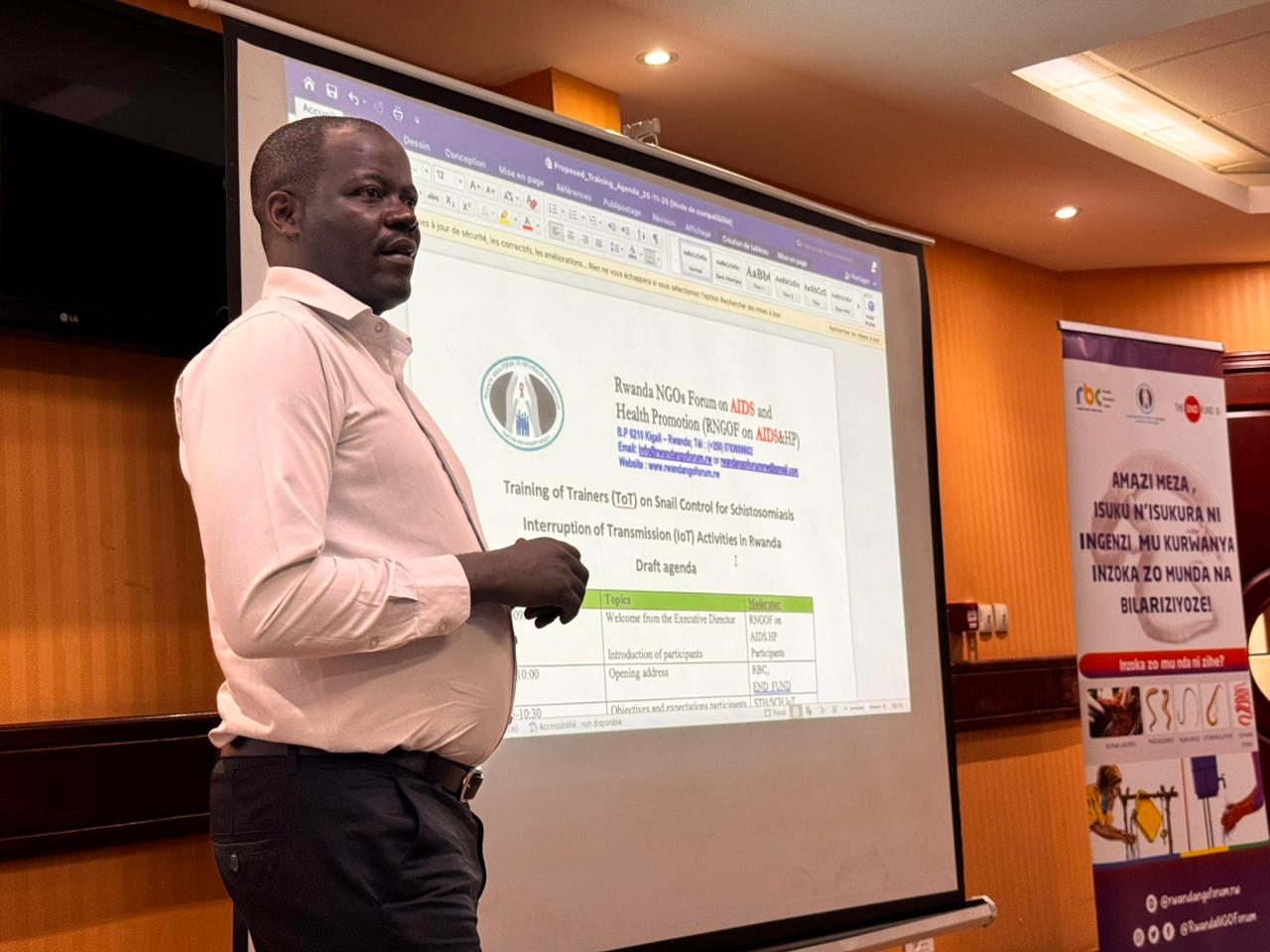
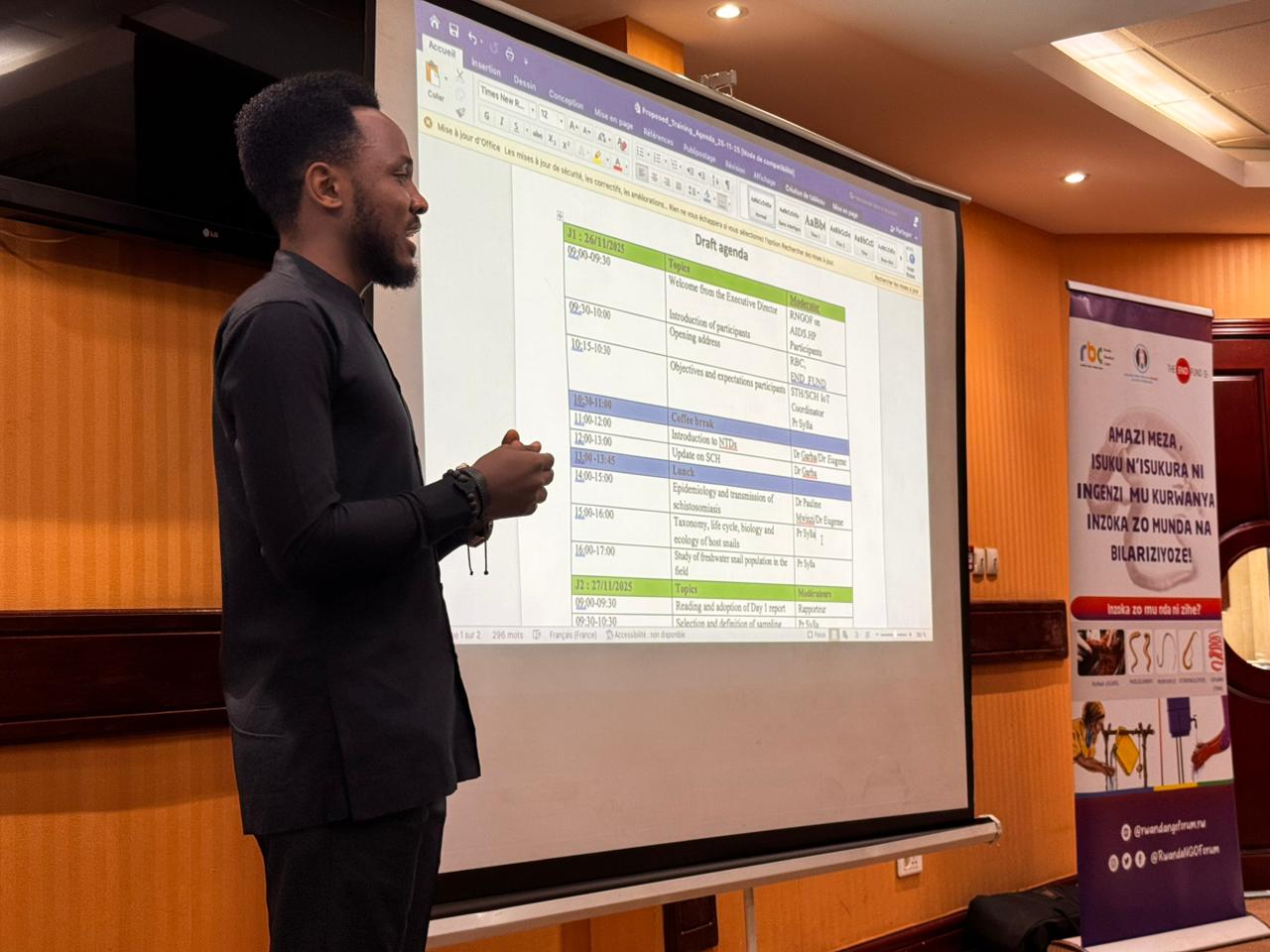
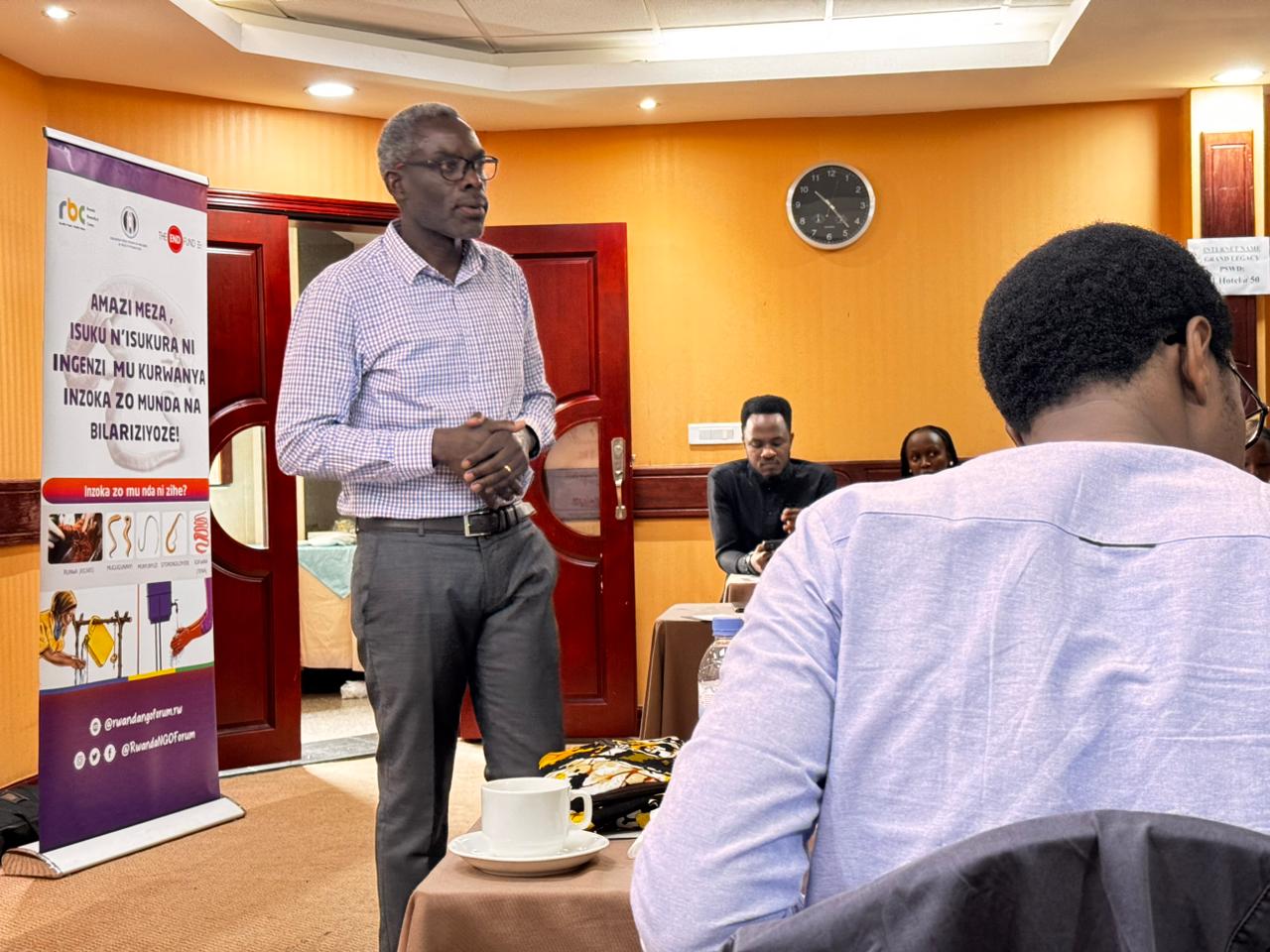
As part of this effort, from 26 November to 12 December 2025, RNGOF on HIV/AIDS & HP conducted a series of training for Trainers (ToT), peer educators and community aimed at strengthening national capacity in snail management and control, with a focus on environmental modification, such as the physical removal of snail breeding habitats and safe irrigation practices to reduce human-water contact in schistosomiasis-endemic areas.
Guided by recommendations from the 2024 Environmental Impact Assessment, which confirmed high densities of freshwater snails in Bugesera and Ruhango districts, the training was designed to equip peer educators, including agronomists, cooperative leaders, farmers, fishermen and environmental officers with the skills needed to implement effective snail control interventions. An international expert supported the initial ToT to ensure technical rigor and alignment with global best practices. The Training of Trainers (ToT) was not merely a seminar but a technical transfer of snail sampling and morphological identification skills, designed to be disseminated through a three-phase cascade from Master Trainers to community members.
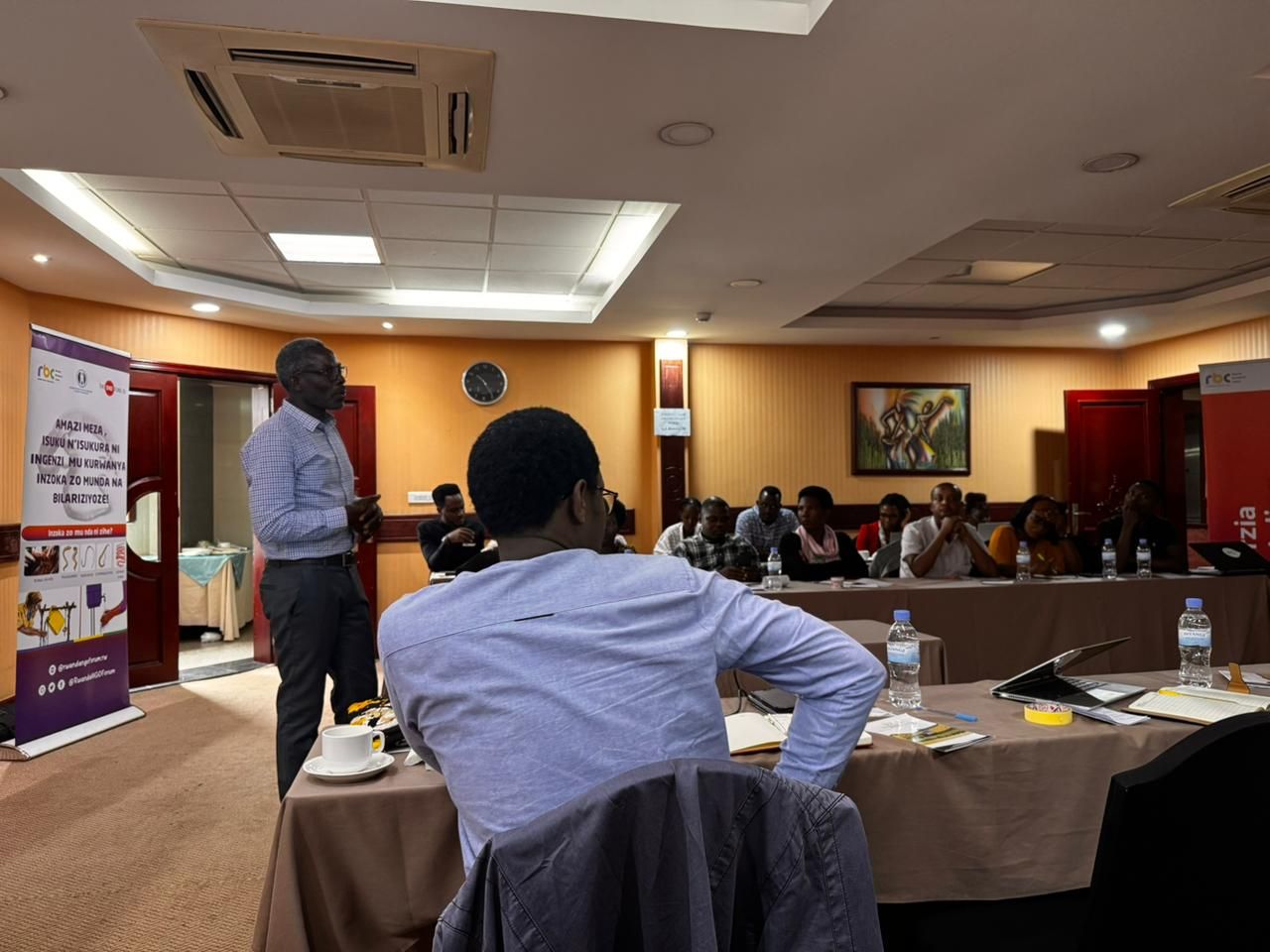
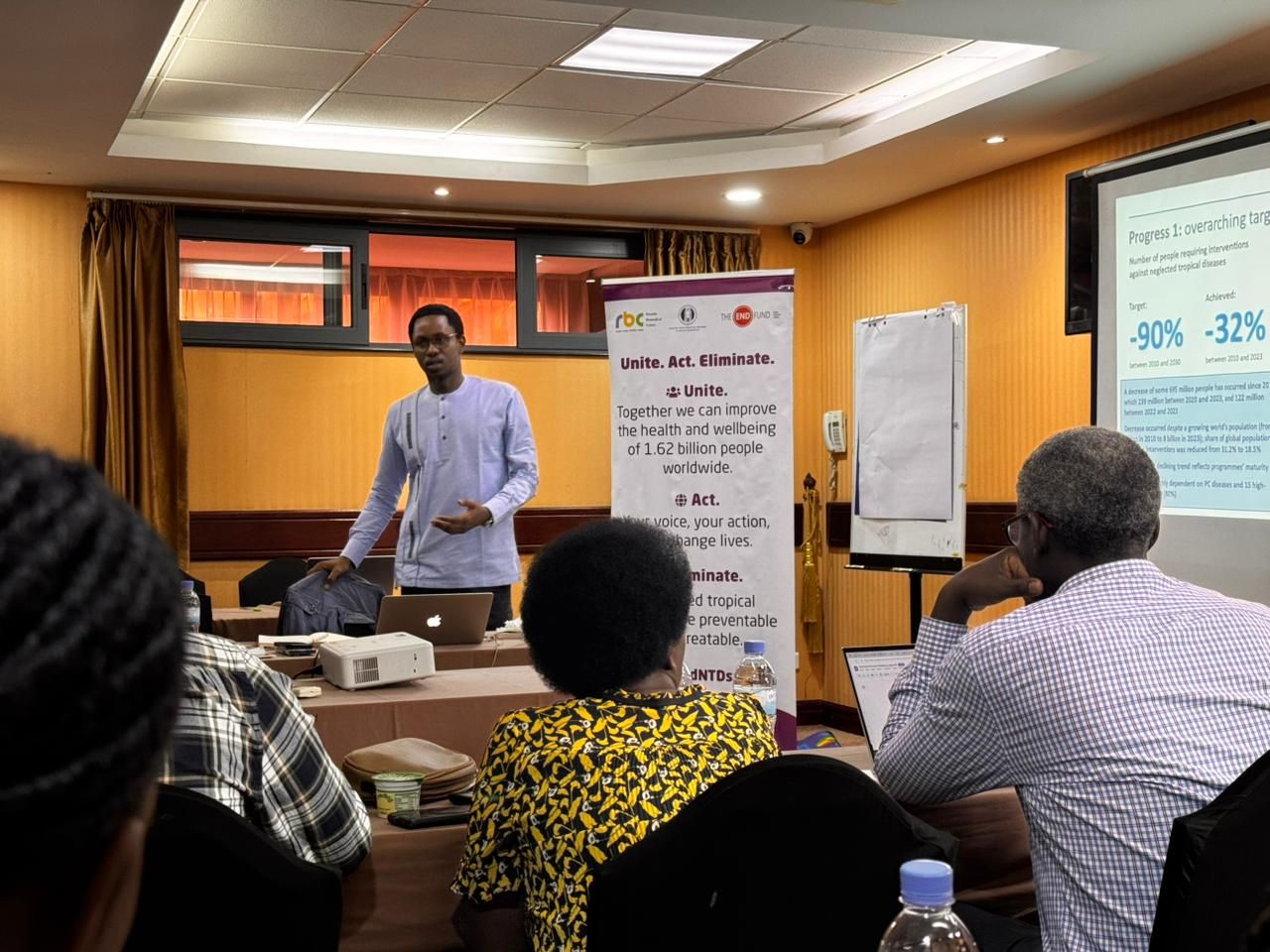
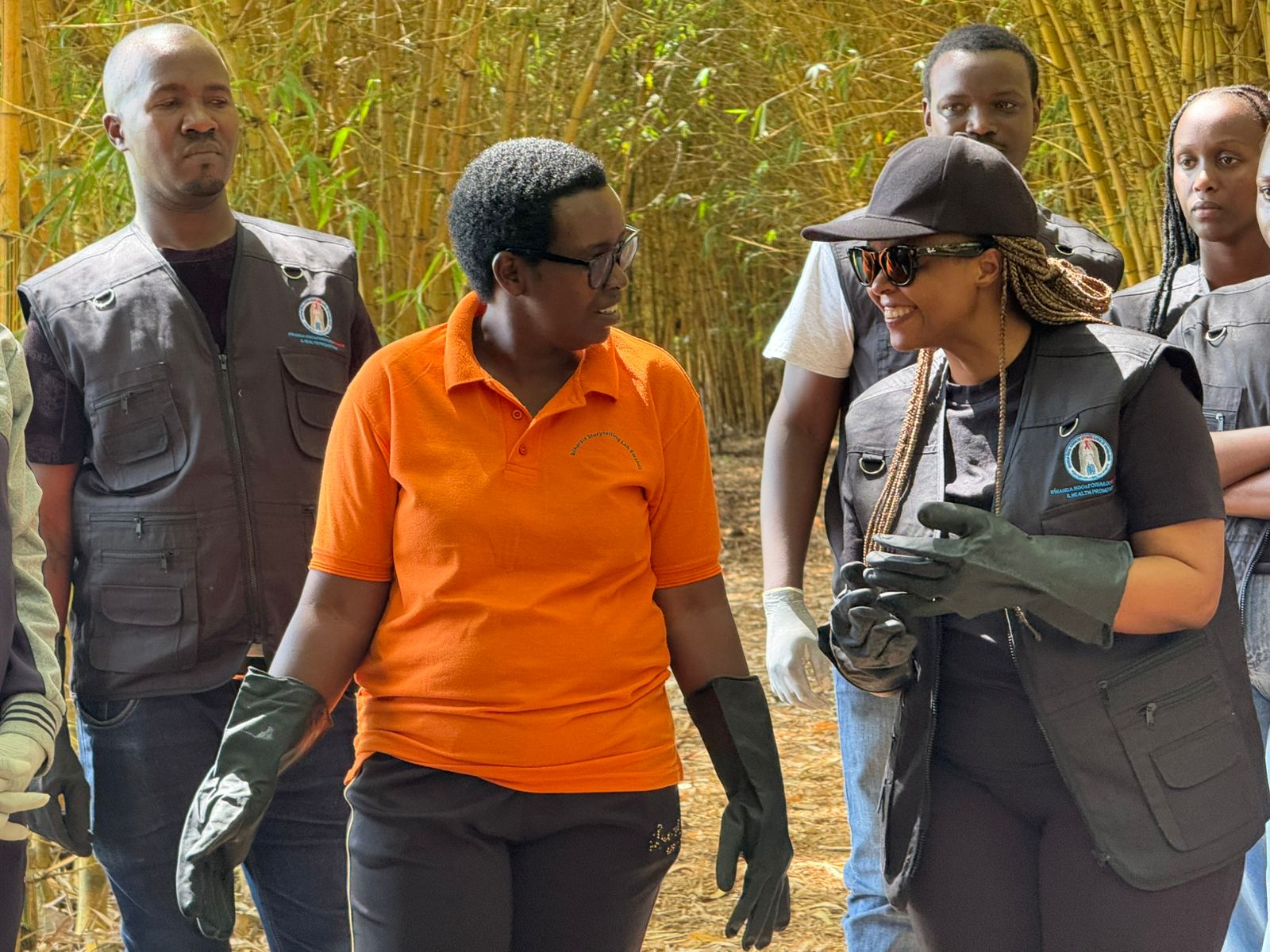
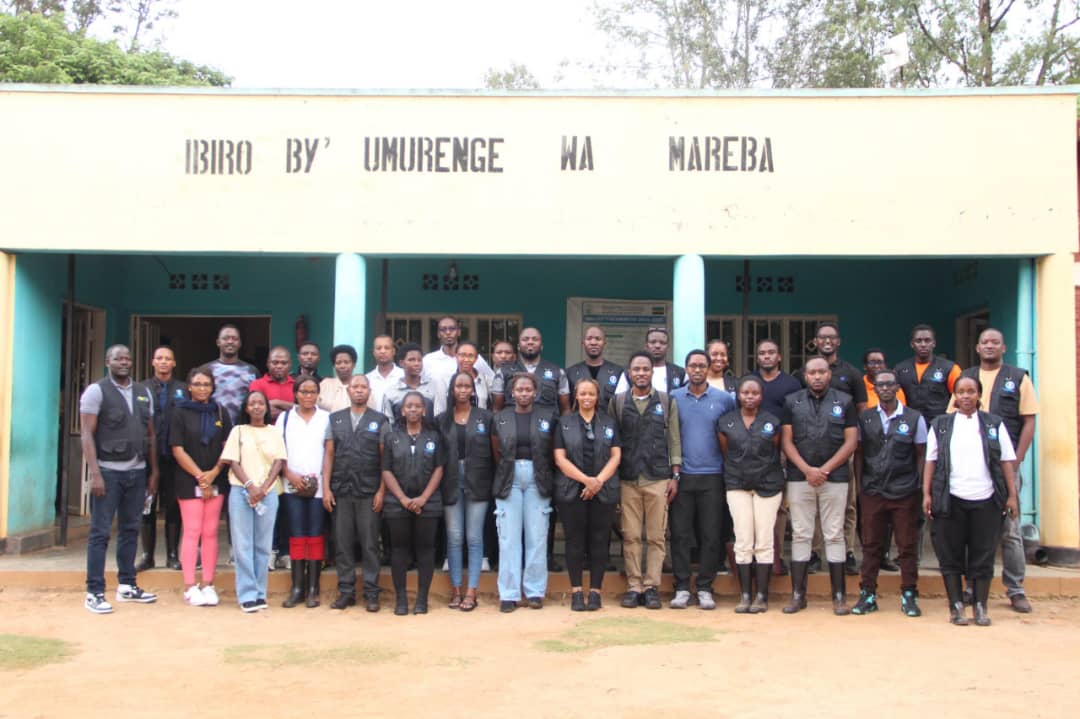
The two-day training combined theoretical instruction with practical application. On the first day, participants received comprehensive lectures on schistosomiasis and soil-transmitted helminths, delivered in Kinyarwanda to enhance understanding. Sessions covered disease transmission, clinical recognition, diagnosis, treatment, prevention, and community-based snail control strategies, including WASH, environmental management, and biological and chemical control. Participants also collaborated to develop a phased local action plan for snail control.
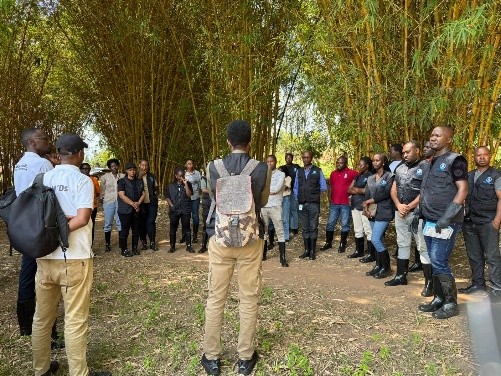
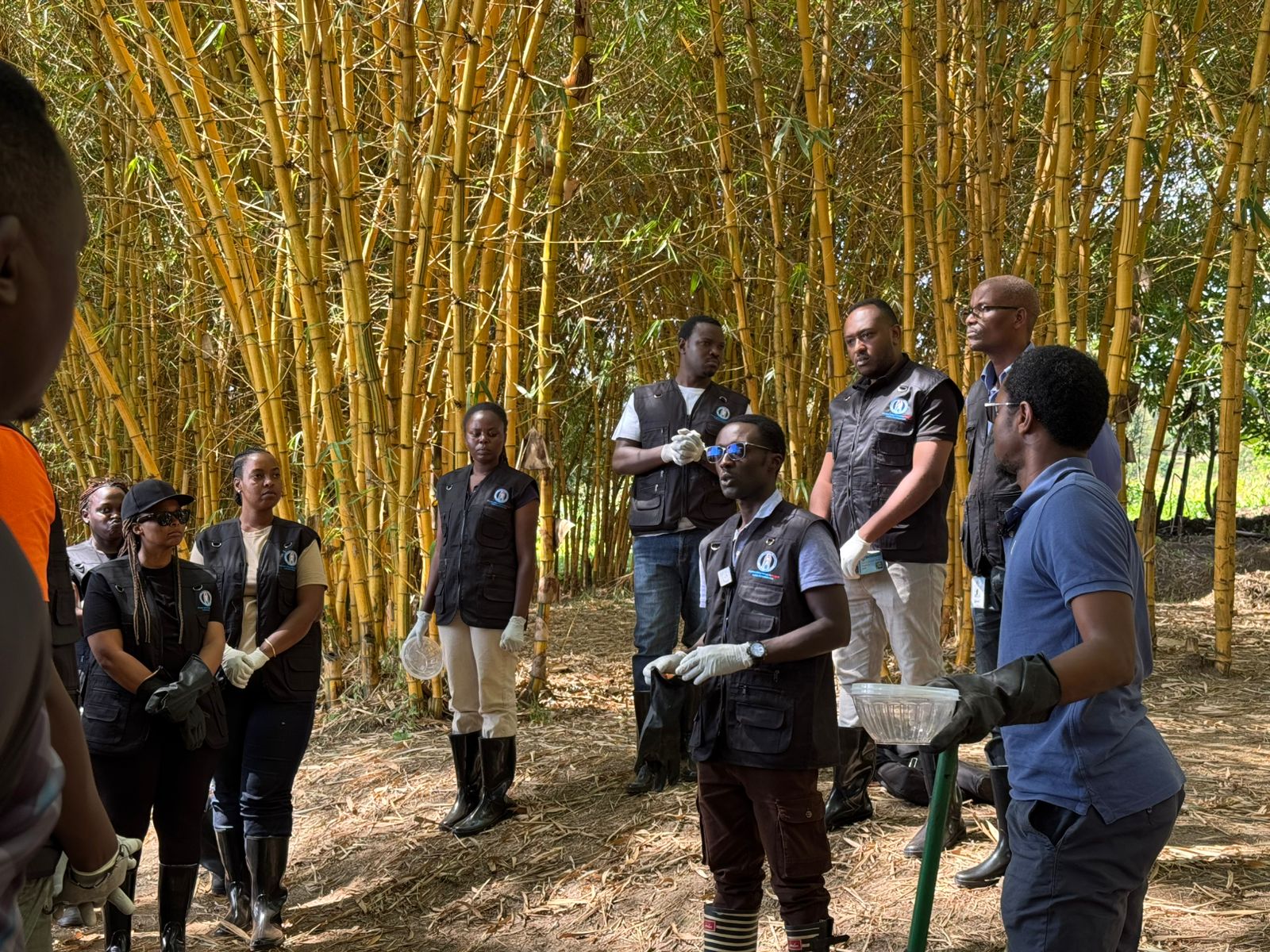
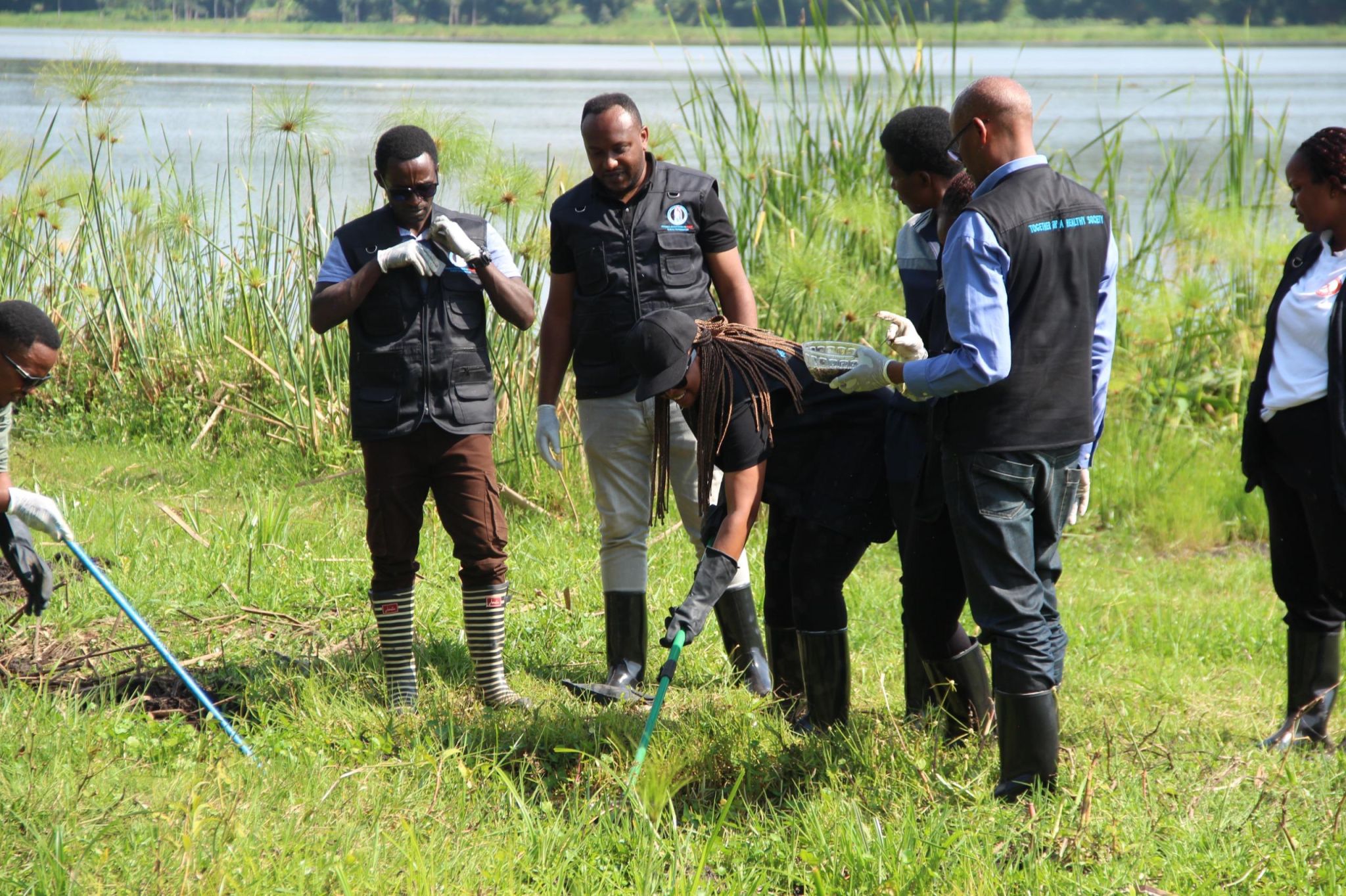
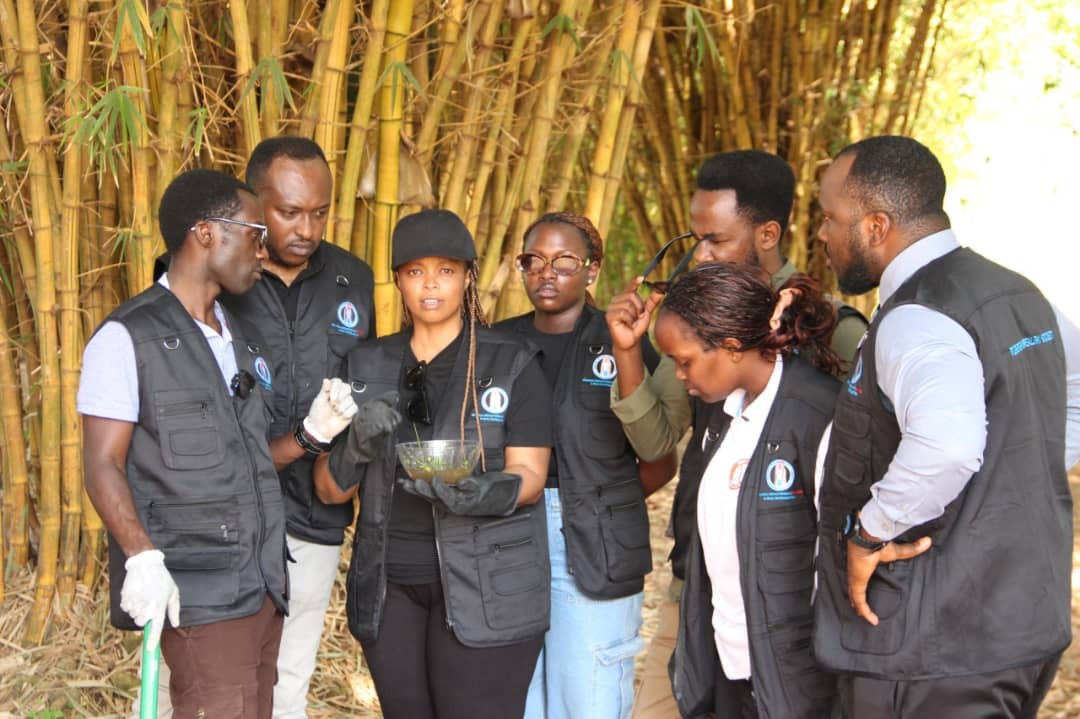
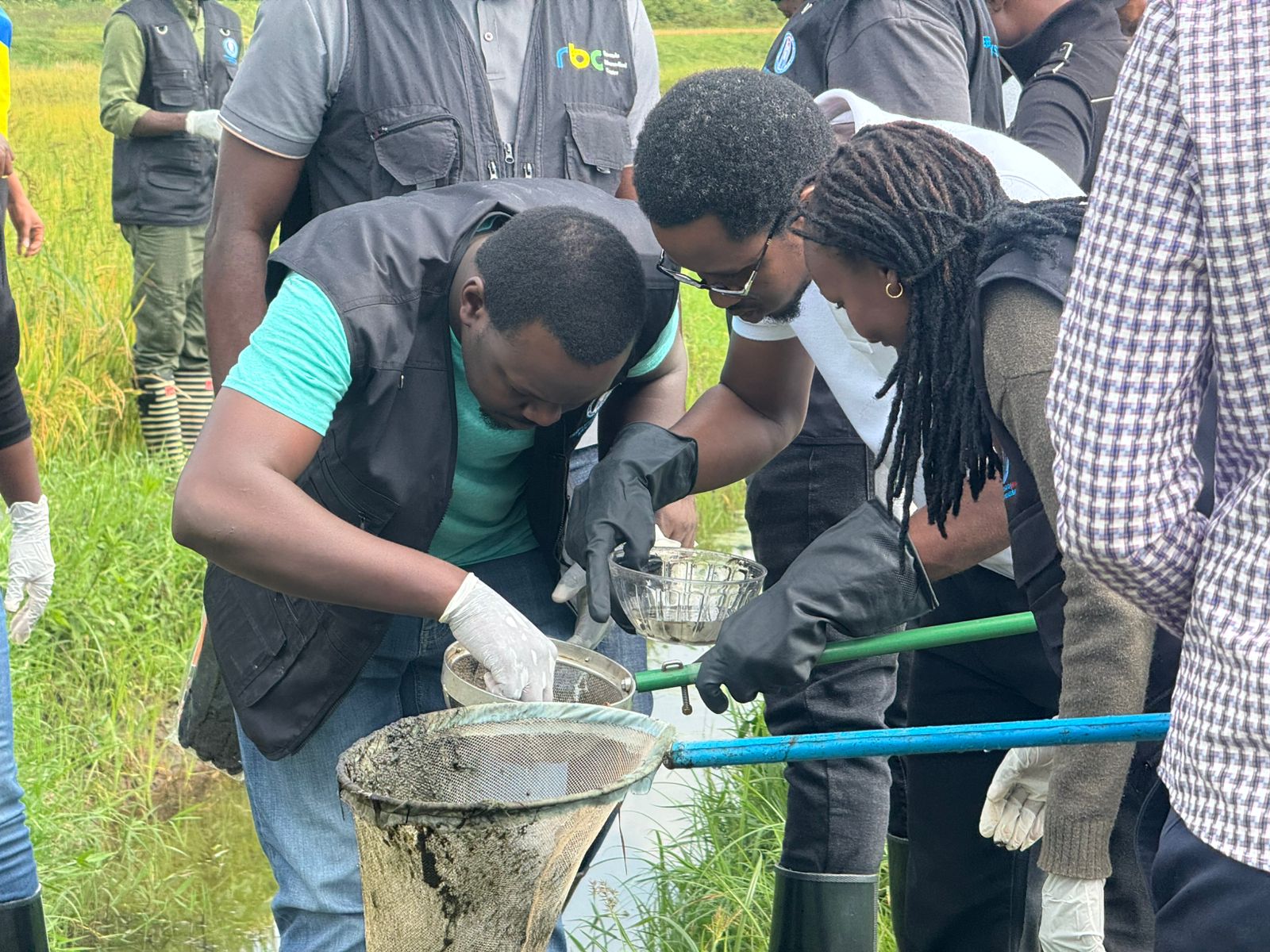
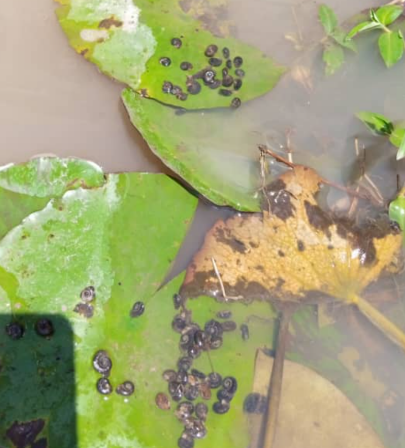
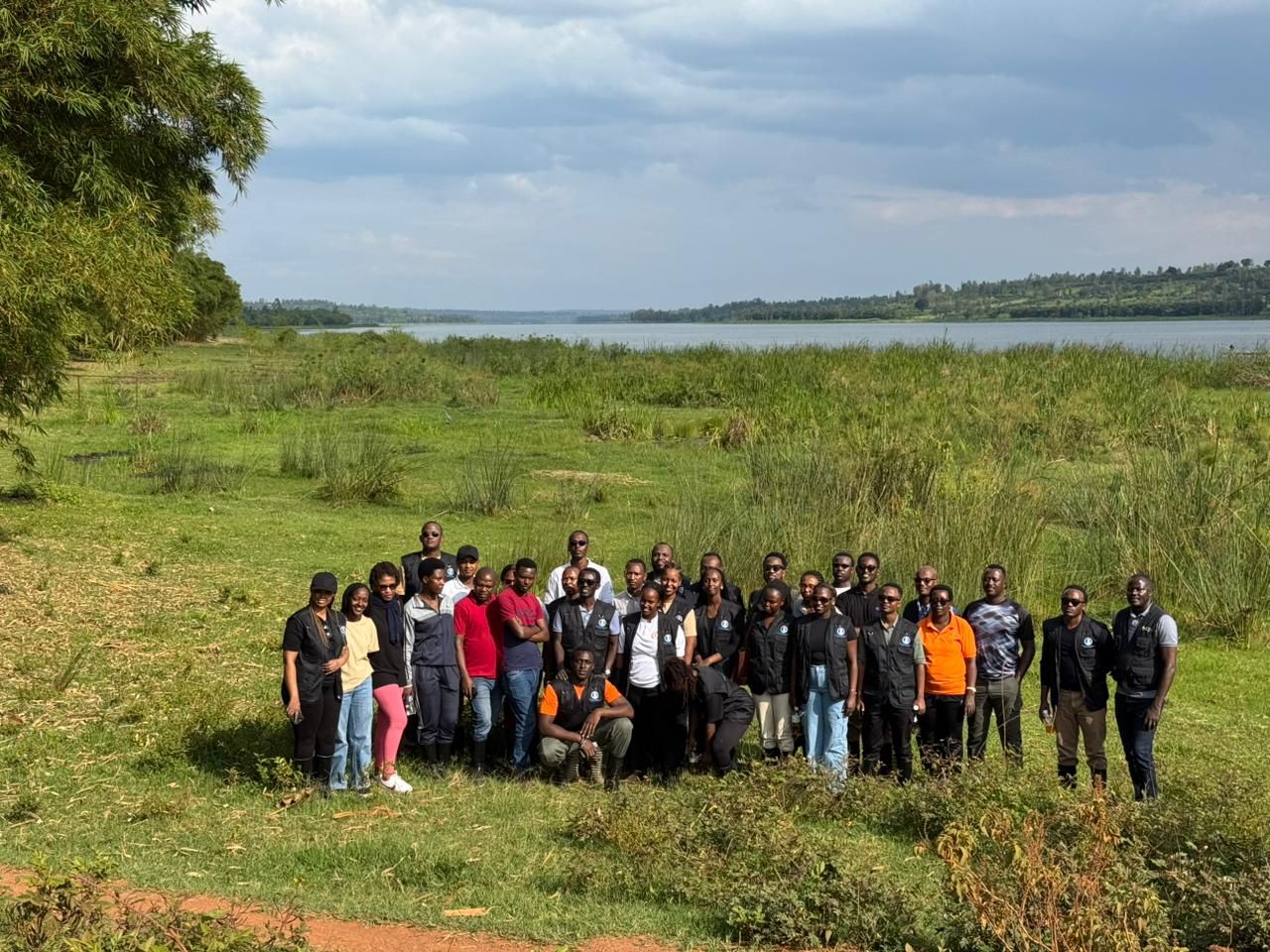
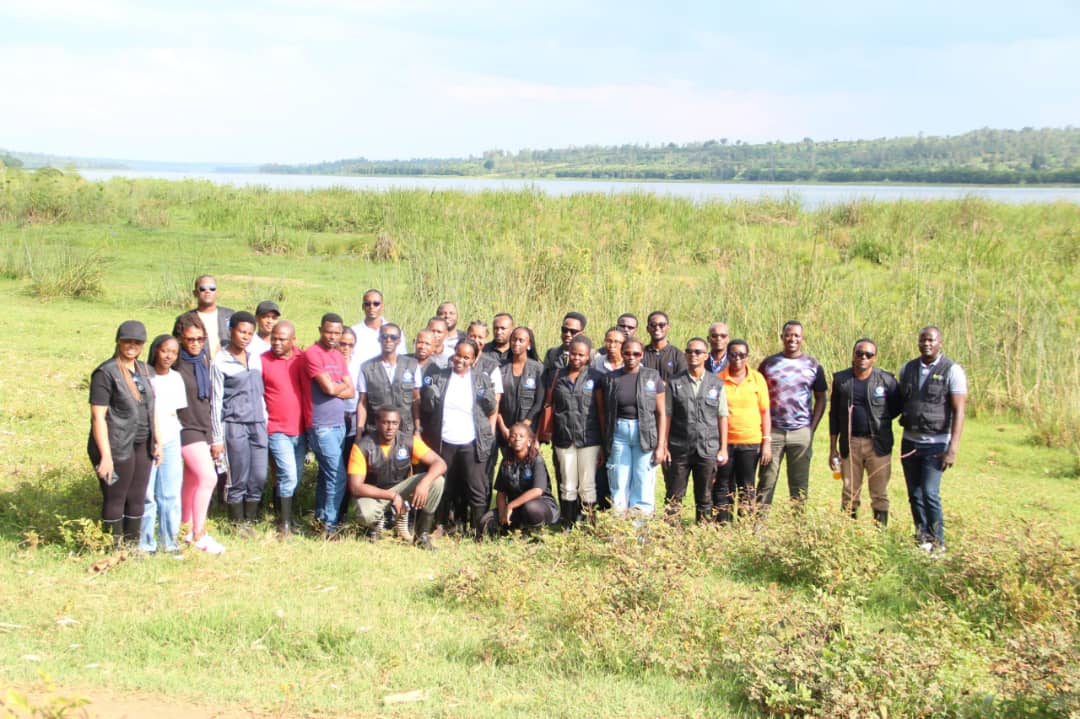
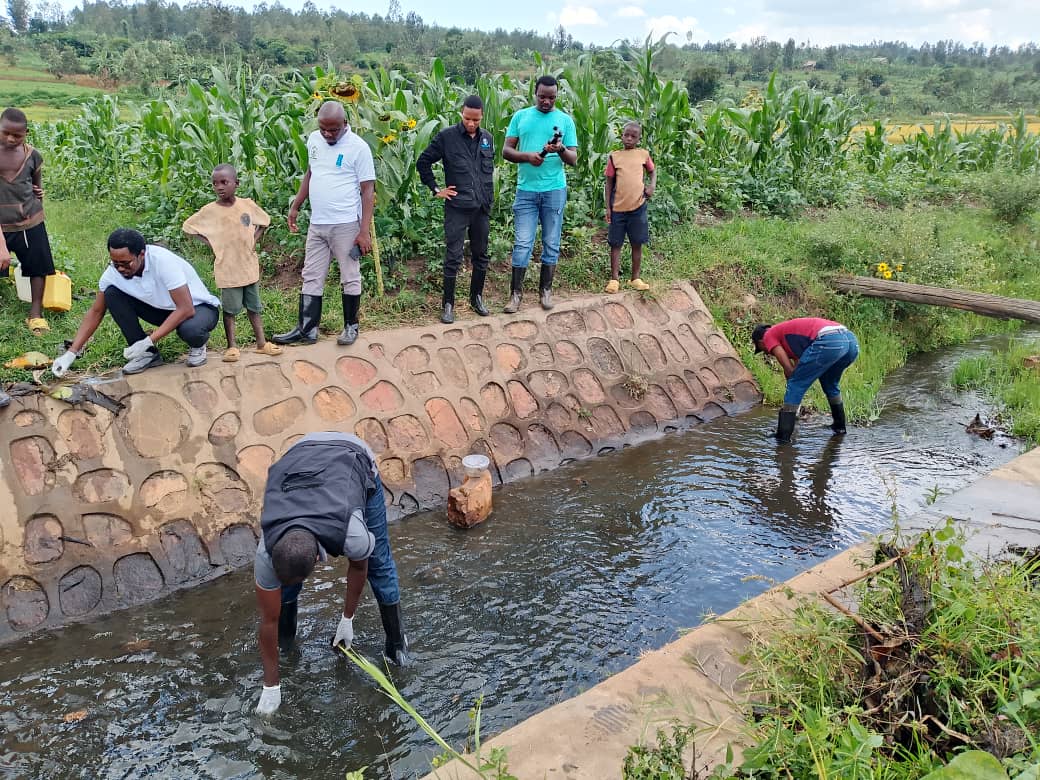
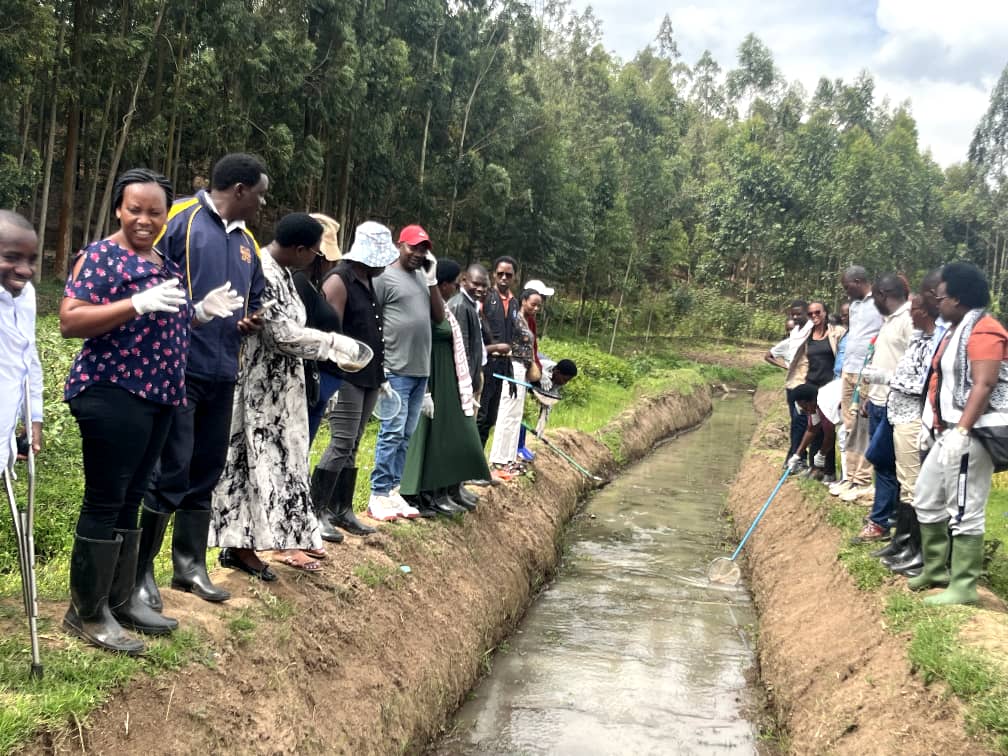
On the second day, a field visit to marshlands in Bugesera and Ruhango districts enabled participants to apply newly acquired skills through demonstration of snail sampling, identification, and environmental modification. This involved the use of cercarial shedding experiments and microscopy to determine the prevalence of schistosome larvae within local snail populations, transforming raw density data into a map of active transmission risk.
As a result, 30 peer educators successfully completed the training and committed to leading community sensitization and supporting sustainable snail control activities through a structured cascade training approach.
| Phase | Week | Duration | Activity | Date | Venue |
|---|---|---|---|---|---|
| Phase 1 | Week 1 | 4 days | Master Trainer Training | 26 – 29th Nov 2025 | Grand Legacy Hotel/ Kigali and Bugesera district for field demonstration |
| Phase 2 | Week 2 | 2 days | Peer Educator Training | 1 – 2nd Dec 2025 | Bugesera and Ruhango |
| Phase 3 | Week 3 | 5 days | Community Training | 8-12th Dec 2025 | All sectors of Ruhango and Bugesera |
Snail collection – baseline data collection procedure in Bugesera and Ruhango districts – Rwanda
Rwanda has made notable progress in reducing schistosomiasis and soil-transmitted helminths through sustained chemotherapy and disease mapping. Building on these achievements, the country is now advancing toward interruption of transmission (IoT) in selected low-endemic districts. Bugesera and Ruhango have been identified as priority areas within this strategy, requiring complementary approaches such as snail control and environmental management.
To support these efforts, a baseline freshwater snail collection was designed to generate essential evidence before implementing environmental interventions. The assessment aims to identify and map snail species, measure their density and distribution in key marshlands, detect schistosome infection through cercarial shedding, and document ecological and water-related characteristics of snail habitats. This baseline will guide targeted environmental management strategies and provide a reference for monitoring project impact.
Two marshlands were selected in each district (Nyirakiyange and Kanyegenyege in Ruhango, and Rwabikwano and Murambi in Bugesera) based on historical schistosomiasis transmission data, intensity of human water contact, ecological suitability for snail breeding, and ease of access for repeated monitoring. The assessment combined systematic snail sampling with morphological identification, laboratory-based cercarial shedding experiments, and microscopic examination. These activities were complemented by detailed environmental observations and water quality measurements to generate robust baseline evidence for guiding environmental management and snail control interventions in priority IoT implementation areas within both districts selected.
Data were captured using standardized tools, analyzed through a centralized database, and visualized using GIS mapping to identify transmission hotspots and inform evidence-based interventions. Leveraging GIS mapping and the 2024 Environmental Impact Assessment, interventions are now targeted specifically at high-density marshland hotspots rather than uniform, less efficient district-wide applications. The data captured in this baseline phase will serve as the primary benchmark for measuring the long-term efficacy of environmental management on snail population dynamics and subsequent infection rates.