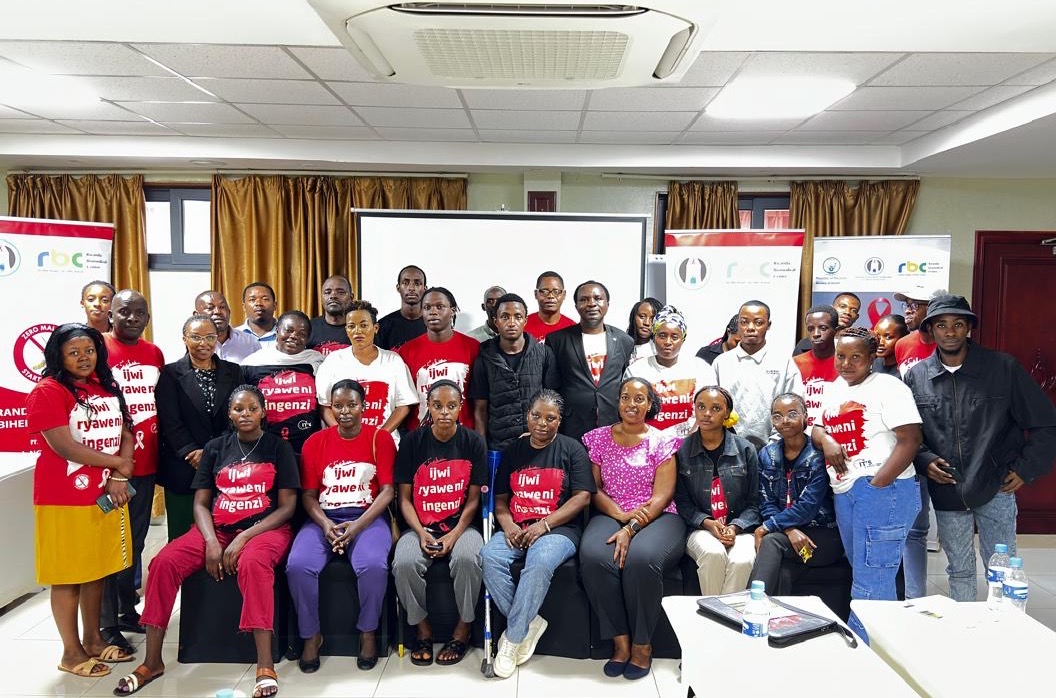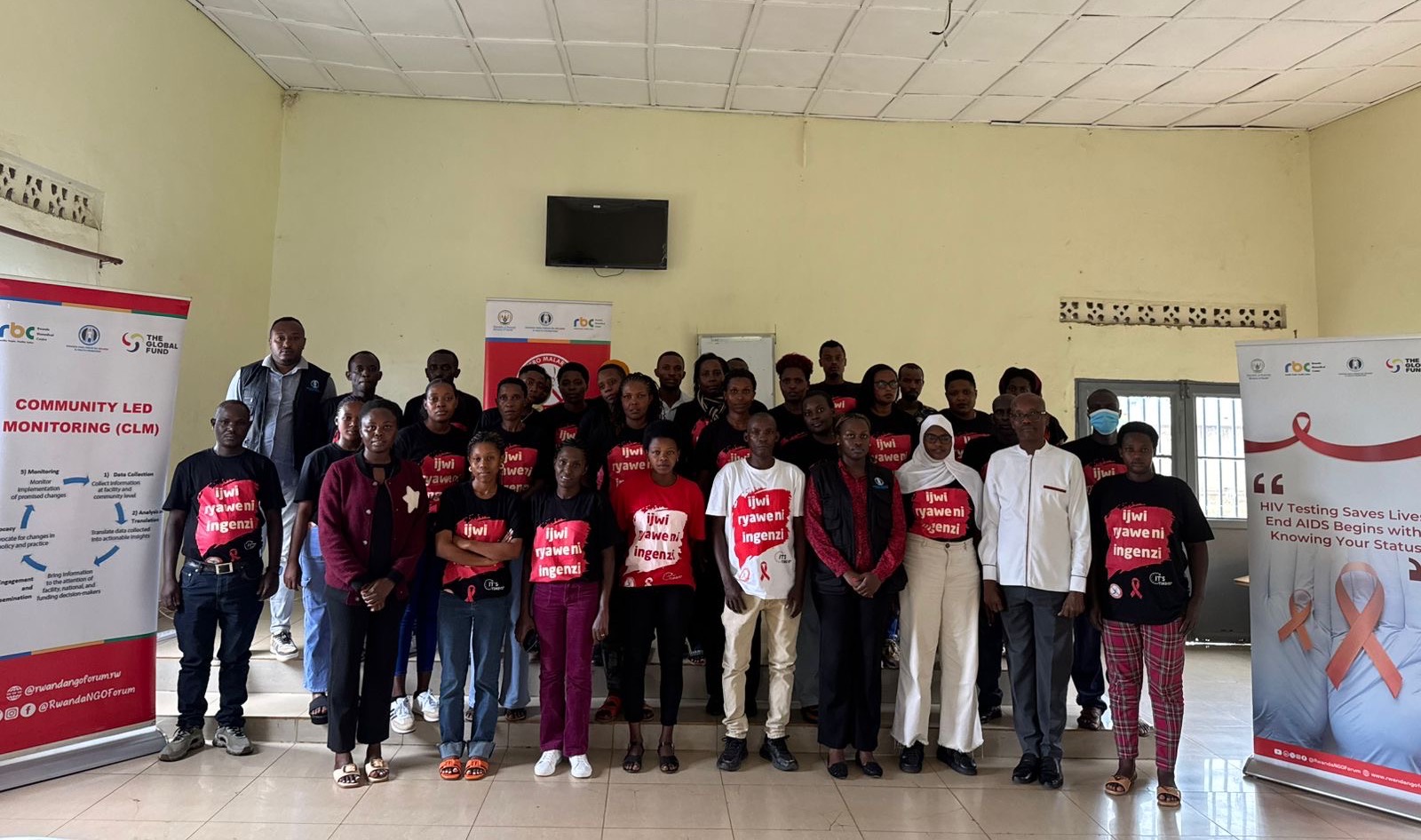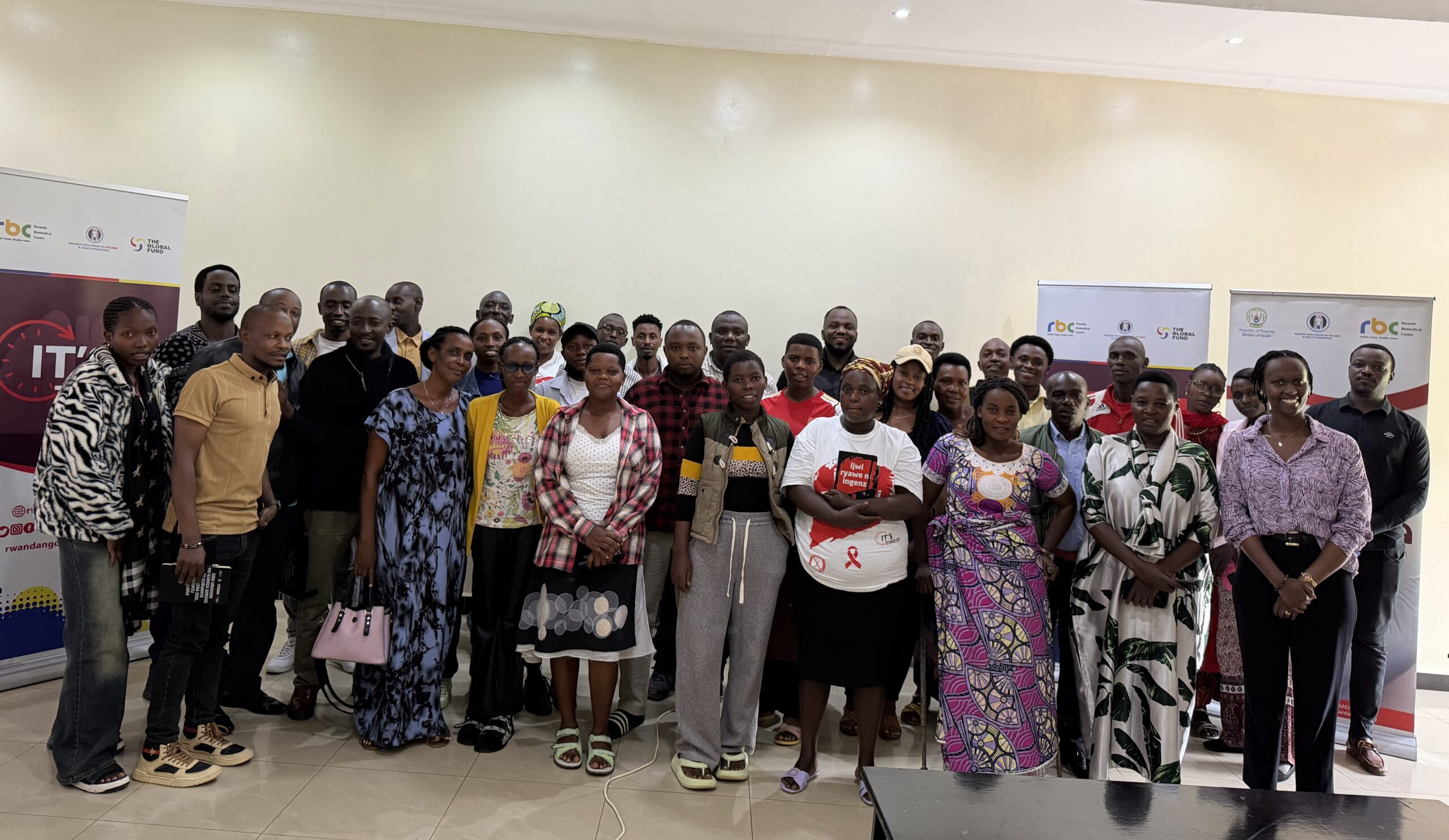
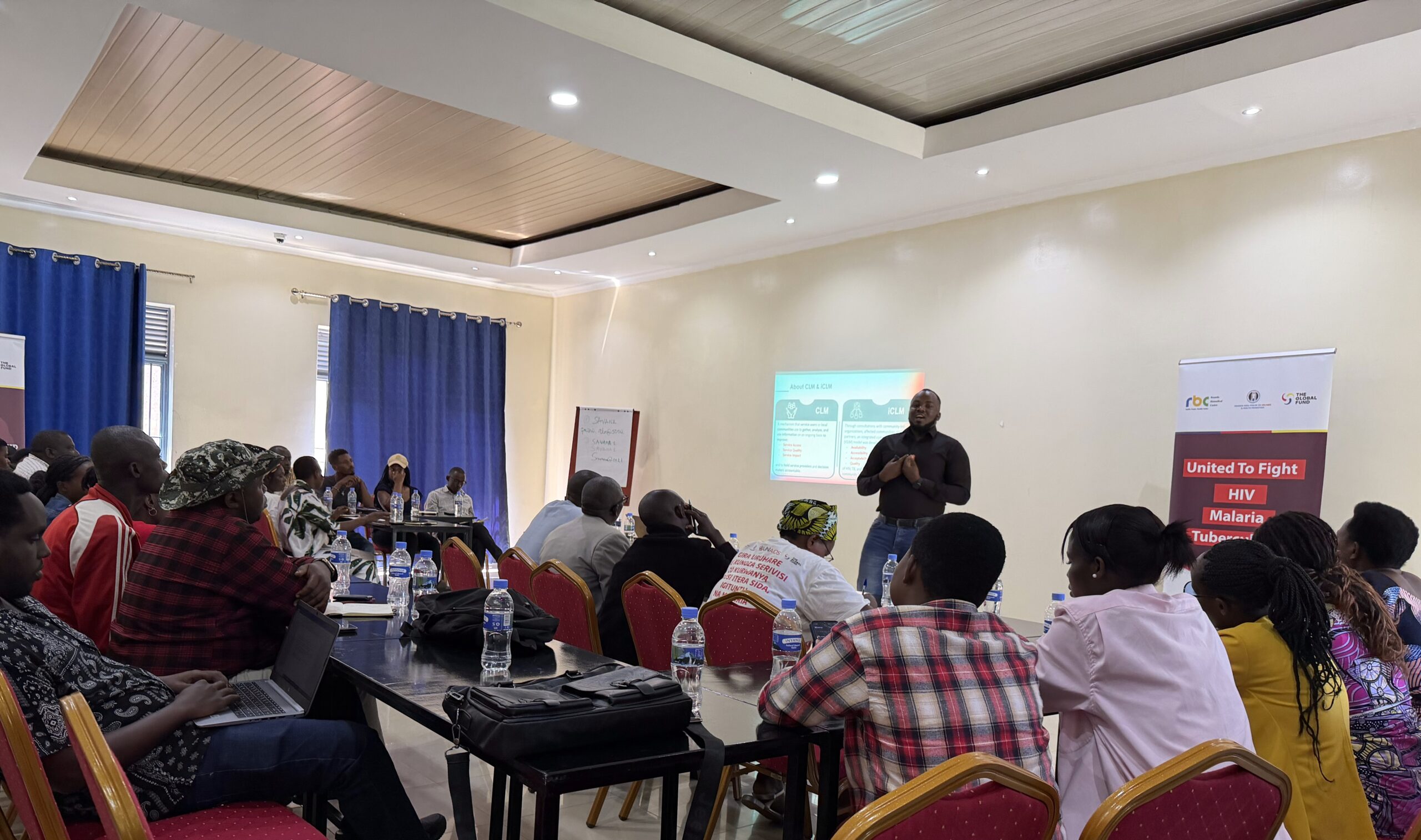
On December 23, 2025, Rwanda NGOs Forum on HIV/AIDS and Health Promotion (RNGOF on HIV/AIDS & HP), in collaboration with Rwanda Biomedical Centre (RBC), Civil Society Organizations (CSOs), and with support from The Global Fund, successfully facilitated the dissemination of integrated Community-Led Monitoring (iCLM) pilot findings in Bugesera, Rwamagana, and Gasabo Districts.
The iCLM initiative evaluated the availability, accessibility, acceptability, and quality (AAAQ) of HIV, TB, and Malaria services among high-risk and vulnerable populations including PLHIV, people with disabilities, and faith-based leaders.
Community Engagement & Data Overview
The session brought together 36 service users per district, with data collected from 12 health centers. A total of 14,569 service users were reached across health facilities and community service points.
“It’s hard to seek care when you feel your life is a whisper in the hallways. When my privacy isn’t respected, I don’t just miss service; I lose my dignity.”
This testimony highlighted the serious impact of privacy and confidentiality breaches on service accessibility.
Truth-Telling Session: Key Barriers Identified
Participants shared lived experiences that revealed gaps between policy and real-world service delivery. These insights exposed barriers affecting the quality and consistency of HIV, TB, and Malaria services.
HIV Service Gaps
- Shortage of condoms and lubricants affecting AGYW, FSWs, and MSM.
- Stigma and discrimination among key populations and PLHIV.
- Gaps in consent and confidentiality in HIV testing and counselling.
- Irregular adherence counselling.
- Low viral load literacy.
- Weak ART adherence support.
- Limited awareness among HCPs, leaders, and peer educators on KP-friendly services.
- Insufficient targeted IEC materials.
TB Service Gaps
- Inadequate TB Preventive Therapy (TPT) for family members.
- Poor TB–HIV service integration.
- Low TB literacy—many do not know their TB type.
- Weak contact tracing.
- Insufficient counselling across districts.
- Lack of targeted IEC materials.
Malaria Service Gaps
- Lack of mosquito repellents.
- Stockouts of pediatric ACTs and other medicines at community level.
- Post-diagnosis treatment gaps.
- Community Health Workers lack thermometers and weighing scales.
- Insufficient IEC materials at health and community levels.
Next Steps: From Insight to Action
On December 24, 2025, service users are scheduled to present these findings and proposed solutions to district leaders and health facility managers. This aims to translate community experiences into improved policy and service delivery.
“How will district leaders and stakeholders collectively work together to address the presented challenges moving forward?”
#LetCommunityLead