Who We Are
- Home |
- Who We Are
Background
Rwanda NGOs Forum on HIV/AIDS and Health Promotion (RNGOF on HIV/AIDS and HP) is a National
Network established in 1999, uniting 139 National NGOs intervening in the Health and Human Rights
sector. RNGOF on HIV/AIDS & HP has a Legal Personality conferred by Ministerial Order No 77/08.11 of
07/07/2010, in compliance with law No 058/2024 of 20/06/2024 and related Regulations.
For many years, the organisation has played a pioneering role in the AIDS and broad health
response, focusing on Key and Vulnerable populations and High Risk groups, PLHIV, PWDs,
PWUD/PWID that are impacted and affected by HIV, Tuberculosis, Malaria, NTDs, NCDs, RMNCAH, and
at High Risk of Pandemics.
The RNGOF on HIV/AIDS & HP always participates meaningfully in different thematic working groups,
steering committees, and holds membership in National and International working spaces, including but
not limited to being a Member of CCM-Rwanda, Health Sector Working Group, HIV, TB, Malaria, NTDs,
NCDs, SRHR TWGs, EAC TWG, EANNASO, Regional TB Caucus, ECOSOC, Global Fund Advocates
Network Africa (GFAN), Global Civil Society for Malaria Elimination (CS4ME).
RNGOF on HIV/AIDS & HP integrates evidence-based advocacy with community-led and digital
solutions, ensuring that every Rwandan has access to the quality care and rights they deserve.
HIV/AIDS
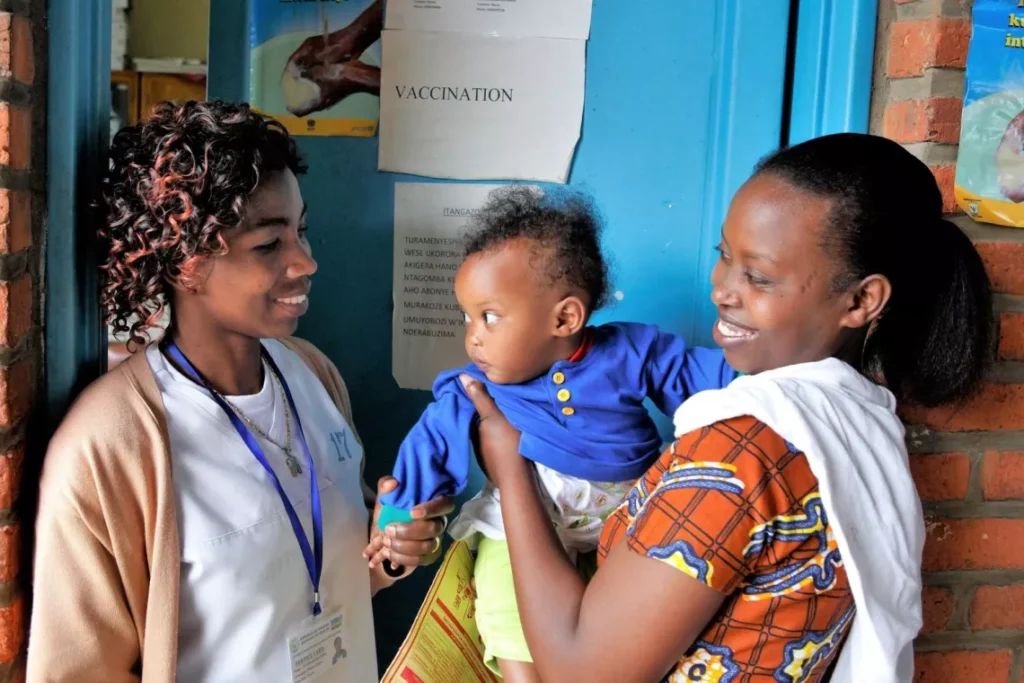
Rwanda’s national HIV prevalence among adults aged 15–49 stands at 2.6% among women and 2.0% among men, according to the 2018–2019 Rwanda Population-based HIV Impact Assessment (RPHIA). Despite the relatively low national prevalence, key populations remain heavily affected. The HIV prevalence is 34% among female sex workers, 6.5% among men who have sex with men, and significantly higher among young women aged 20–24, who are three times more likely to be infected than young men (1.8% vs. 0.6%).
Rwanda is among the few countries in Africa to have achieved the 95-95-95 UNAIDS targets, estimated through Spectrum modeling as 95% of people living with HIV (PLHIV) know their status, 98% of those are on treatment, and 97% of those on treatment are virally suppressed. These achievements reflect the country’s strong political will, effective service delivery systems, and robust community engagement.
However, continued efforts are needed to:
i) Address gender disparities in infection rates and service access
ii) Combat stigma and discrimination
iii) Improve access to prevention services for key and vulnerable populations
iv) Strengthen youth-focused programs and comprehensive sexuality education
Tuberculosis (TB)
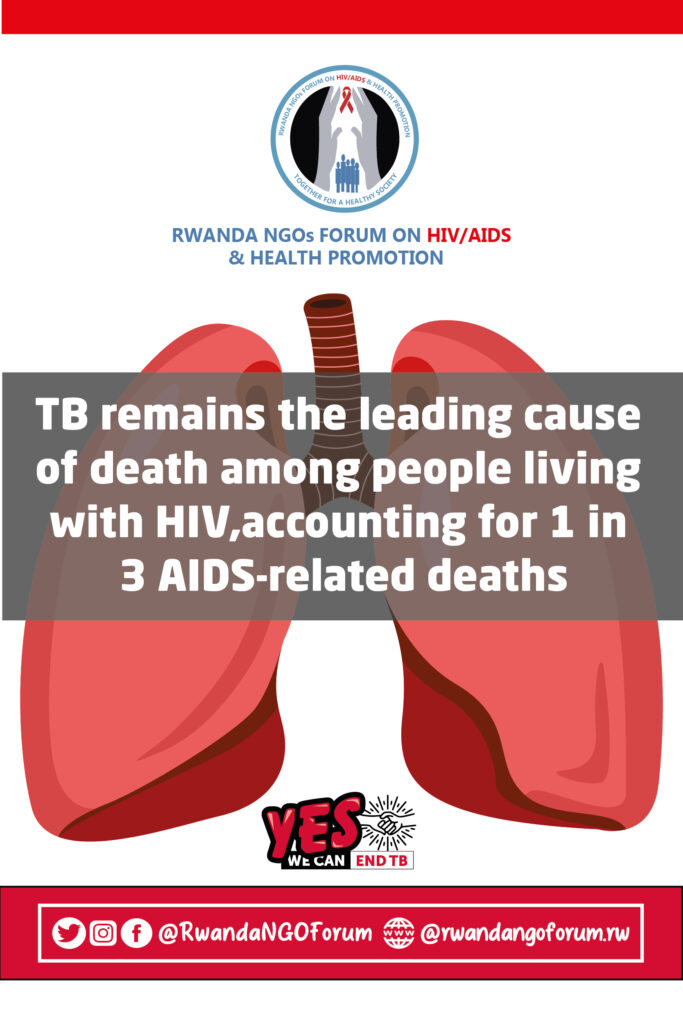
The 2024 Mid-Term Review (MTR) of the National Strategic Plan for TB highlights several areas needing improvement:
- Low uptake of new diagnostic tools and medicines
- Limited community knowledge and delayed health-seeking behavior
- Inadequate private sector engagement
- Gaps in TB Preventive Therapy (TPT) for people living with HIV.
Malaria
- 76% decline in incidence: from 321 cases/1,000 people to 76 cases/10,000
- 74% reduction in severe cases: from 7,954 in 2018/19 to 1,831 in 2021/22
- 73% decrease in malaria-related deaths: from 264 to 71
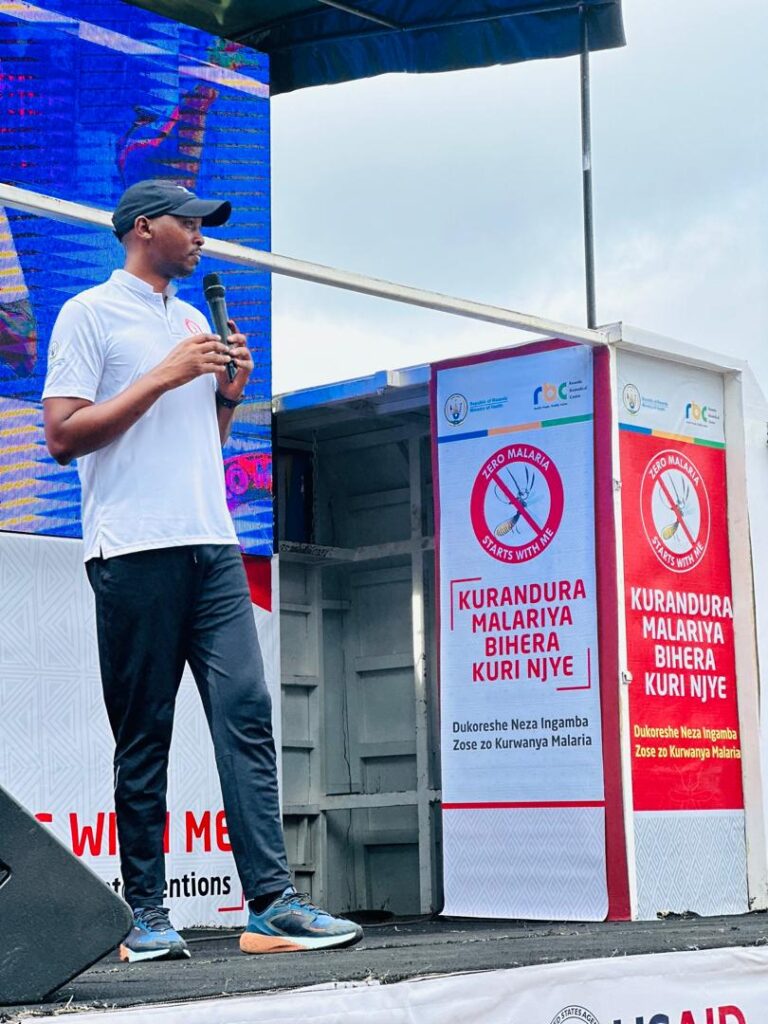
Currently, 55% of malaria cases are managed by Community Health Workers (CHWs), and Rwanda aims to raise this figure to 80% to enhance accessibility and early treatment at the community level.
As Rwanda continues to build on its progress, the contribution of NGOs remains essential in mobilizing communities, generating data and evidence, and pushing for inclusive and responsive health policies. Their grassroots presence and people-centered approach ensure that no one is left behind in the fight against these three major public health threats.